Category: Strategy
-
The Rate-Limiting Step That Will Slow AI
The rollout of AI has a built-in, organic rate-limiting step that will naturally throttle its rollout, dramatically increase its cost of use, and, in the end, make that rollout far more thoughtful. The rate-limiting step that will slow AI. Everyone – from companies to cities to countries to individuals – is going all in on…
-
Prompt Engineering Is the Self-Checkout of AI
Prompt engineering is not a skill to master. It is shadow work AI companies offload onto you. Good AI carries the burden — you shouldn’t have to.
-
A perfect corporate sleight of hand becomes tougher with AI
Every expert who sells judgment is scored on results — except advice, outside or internal. Real accountability means being measured against banked value.
-
AI Strategy Is Not a Strategy
Most companies launch an AI strategy without asking how it serves the corporate strategy. It must — long term, that means the ROIC–WACC spread and growth.
-
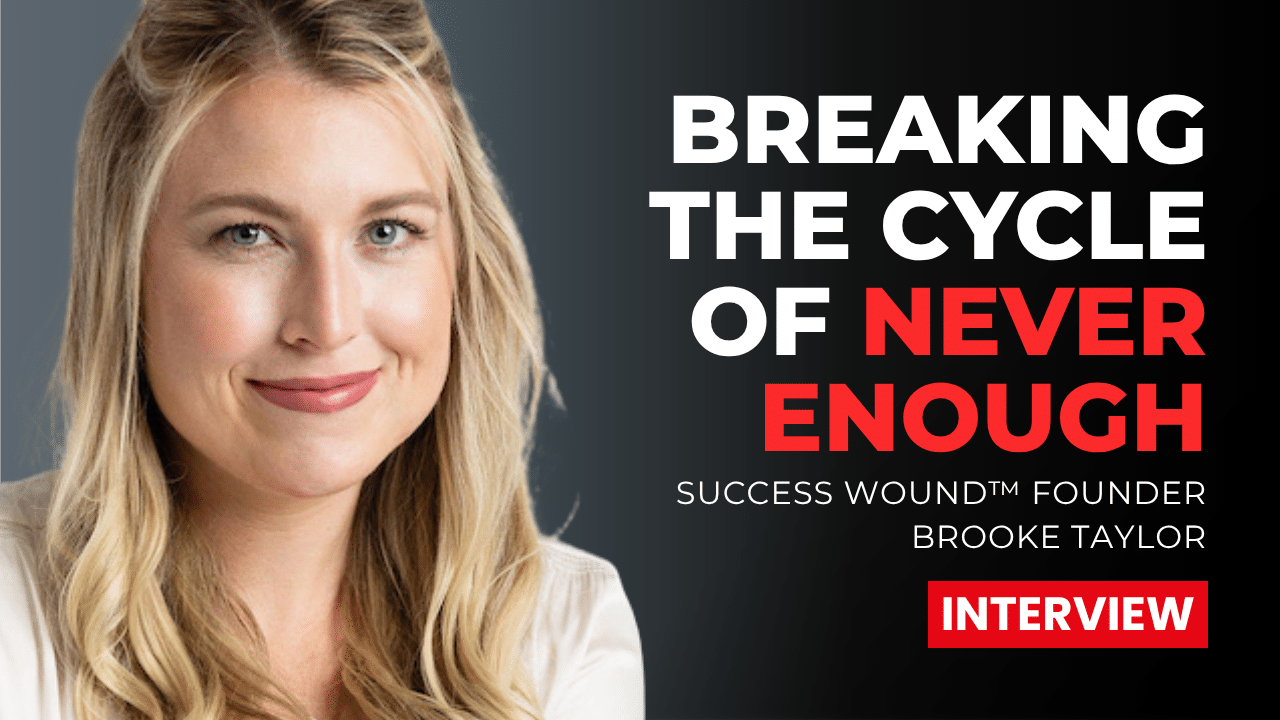
The Success Trap: Breaking the Cycle of Never Enough (with Brooke Taylor)
Brooke Taylor spent more than a decade inside high-performance environments, including leadership roles at Google, before turning her attention to a question that many accomplished professionals quietly wrestle with: why does achievement so often fail to produce a lasting sense of fulfillment? In this conversation, she examines what she calls the “success wound” — the…
-
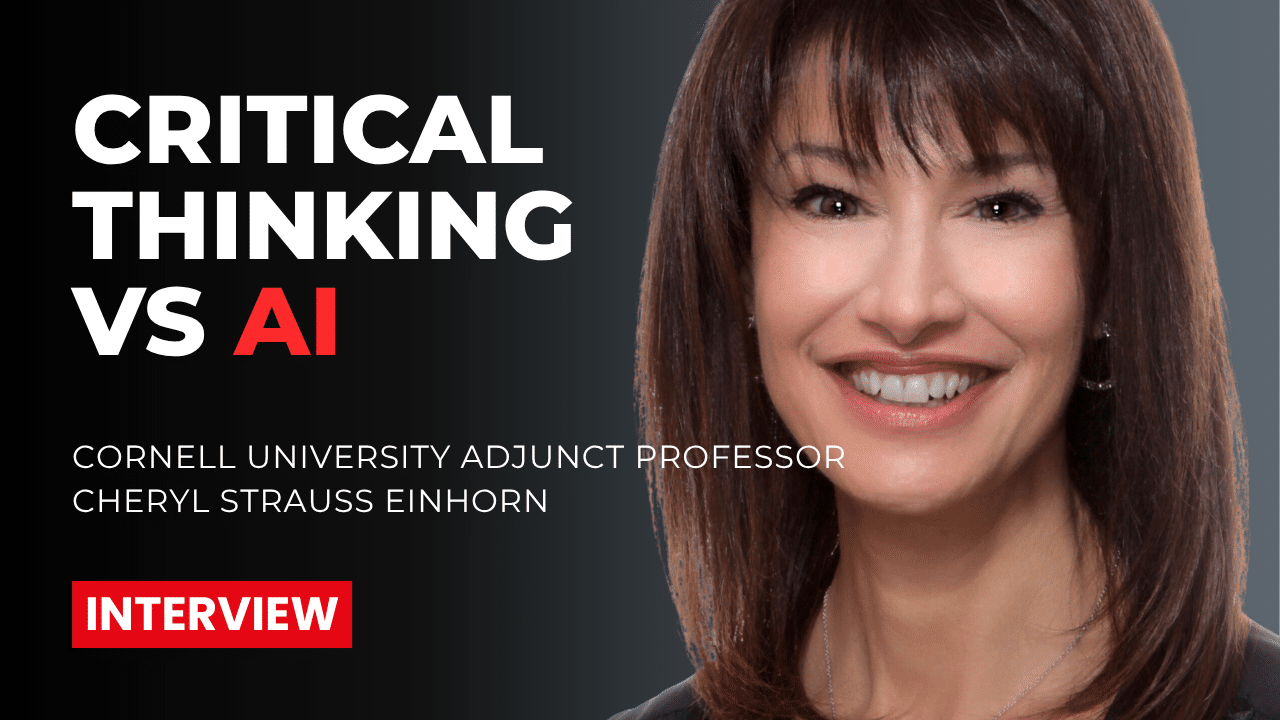
Adjunct Professor at Cornell University, Cheryl Strauss Einhorn, on Critical Thinking vs. AI
In this conversation with Cheryl Strauss Einhorn, the discussion examines what happens to judgment and critical thinking as AI becomes embedded in daily decision-making. Drawing on her background as an investigative journalist at Barron’s, Einhorn explains how questioning assumptions and searching for disconfirming evidence shaped the development of her AREA Method for decision-making. She argues…
-
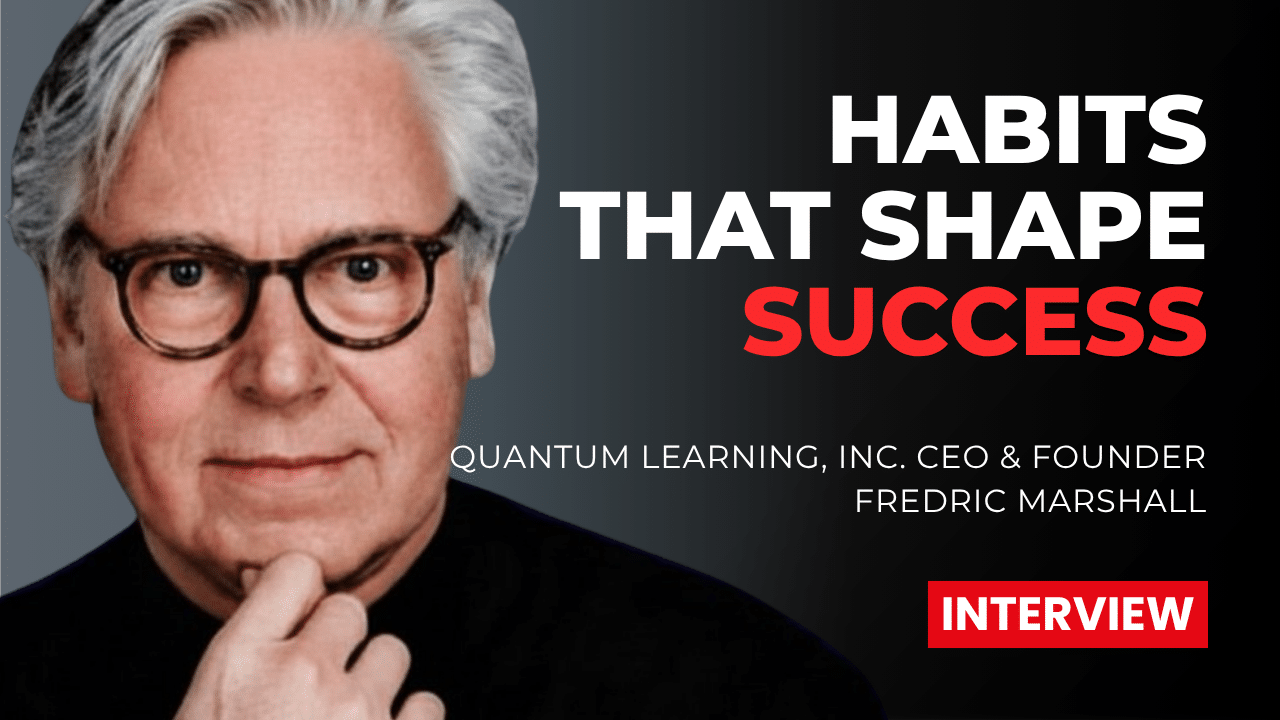
The Habits and Systems That Shape Success (with Fredric Marshall)
Fredric Marshall spent decades helping companies including Apple, Pfizer, and Genentech solve problems in sales effectiveness, product launches, and organizational change. In this discussion, he explains why he views sales and leadership primarily as change management challenges: helping people move from where they are to where they want to be. The conversation centers on several…
-
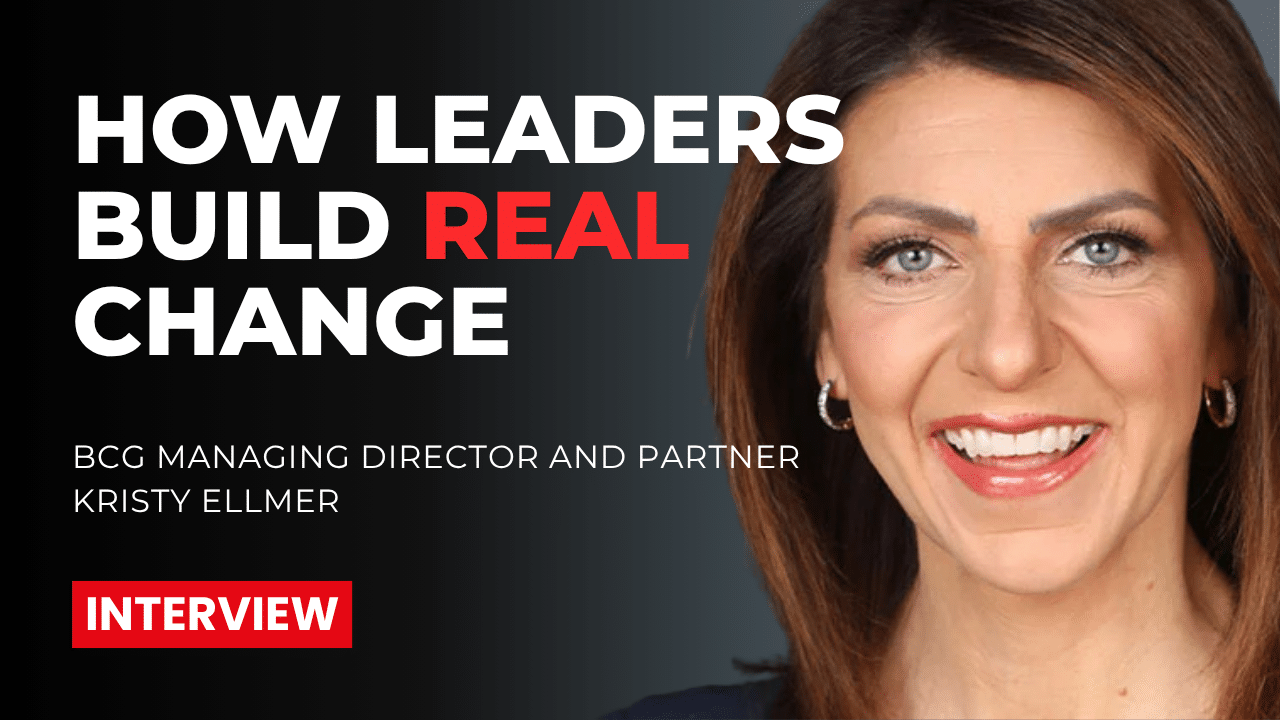
BCG Managing Director and Partner, Kristy Ellmer, on Why Change Fails and How Great Leaders Build Real Transformation
Kristy Ellmer has spent her career leading large-scale transformations across industries, countries, and operating environments. In this conversation, she explains why most change efforts fail — not because of bad strategy, but because organizations underestimate the human side of execution. A central idea from the discussion is the imbalance between the “what” and the “how”…
-
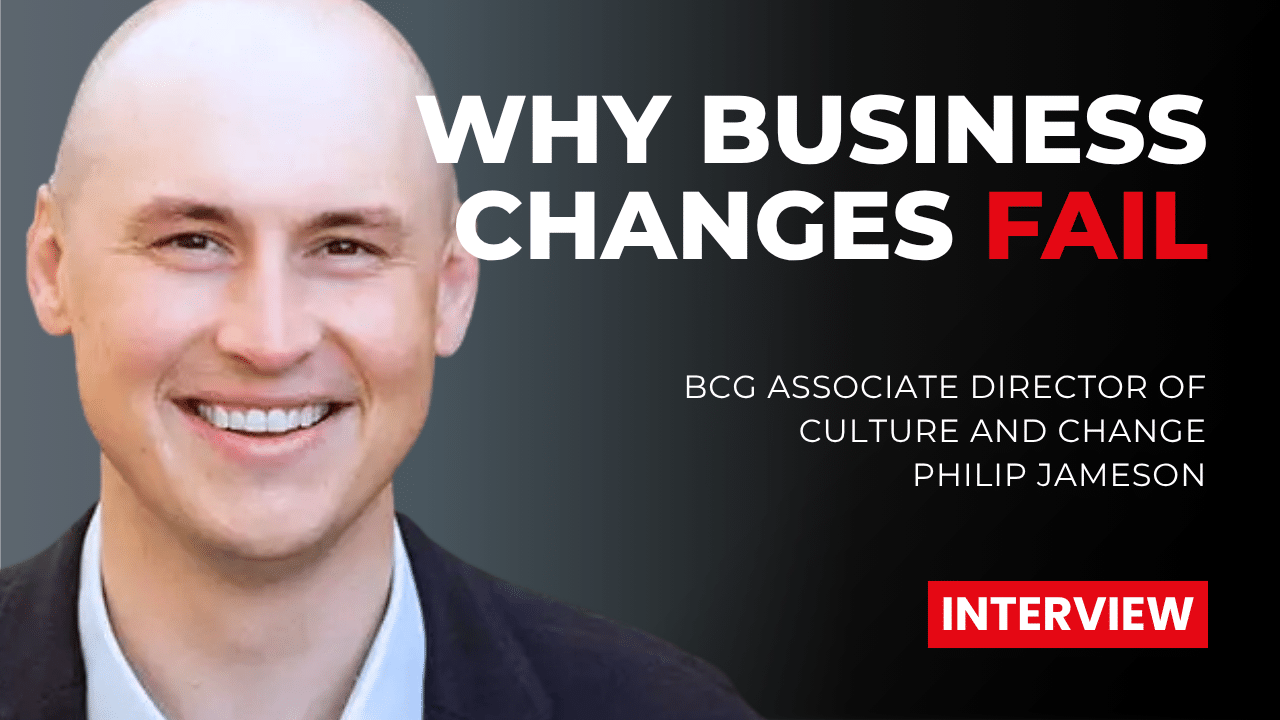
Associate Director of Culture and Change at BCG, Philip Jameson, on Why Most Transformations Fail
Philip Jameson discusses why most organizational transformations fail despite strong strategic intent, significant investment, and broad awareness that change is necessary. Drawing on his work at Boston Consulting Group and the research behind How Change Really Works, Jameson argues that the core problem is often not strategy itself, but a poor understanding of “how humans…